
Rates Up, Bonds Down? Investing 101 for You
“Treasury yields spike,” “the curve inverts” — headlines that never quite made sense? Learn why bond prices fall when rates rise, using one simple $1,000 bond example.
From investment terms to financial statements, exchange rates, and asset management basics. At After Paycheck, we break down essential finance concepts everyone wonders about — explained simply, without the jargon. Build a solid investment foundation with us.
“Treasury yields spike,” “the curve inverts” — headlines that never quite made sense? Learn why bond prices fall when rates rise, using one simple $1,000 bond example.

Picked a good company but it still drops with the market? Learn to read US indices and the macro forces — rates, inflation, jobs — behind it.

Why is buying an option safe but selling one risky? A clear, example-driven walkthrough of call and put payoffs, premiums, and liquidation risk.

What is a futures contract, really? From expiration and margin to the scary word “liquidation,” here is a beginner-friendly guide to futures basics.
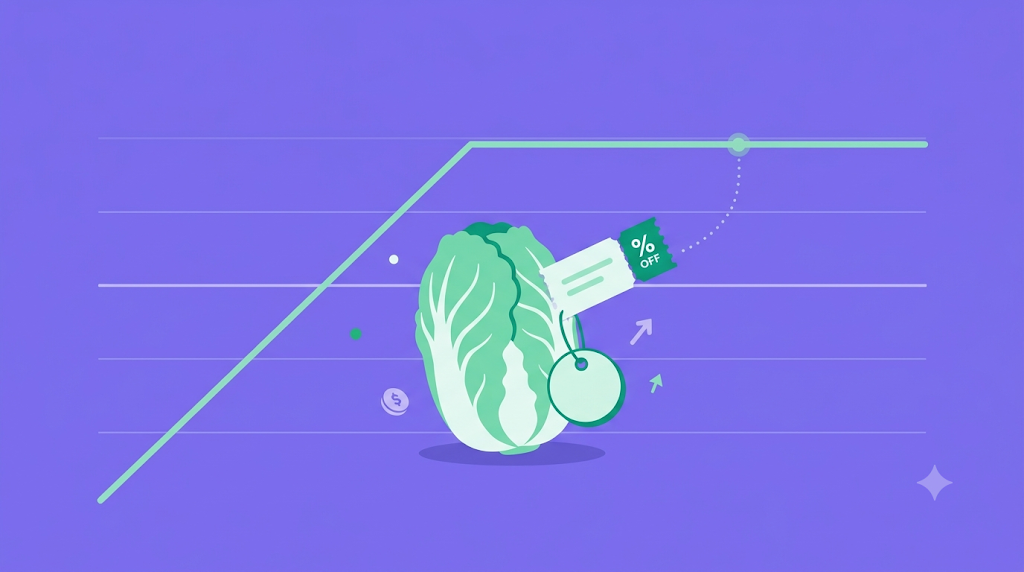
We explain what a call option is using a simple cabbage-price analogy. Then, using JEPQ as a real-world example, we look at how selling call options turns into income.

Dividend investing isn’t just about picking the highest yield. This guide covers how dividends are calculated and paid, why the payout ratio matters too, and the 2026 tax changes — with real examples, for anyone building steady cash flow.
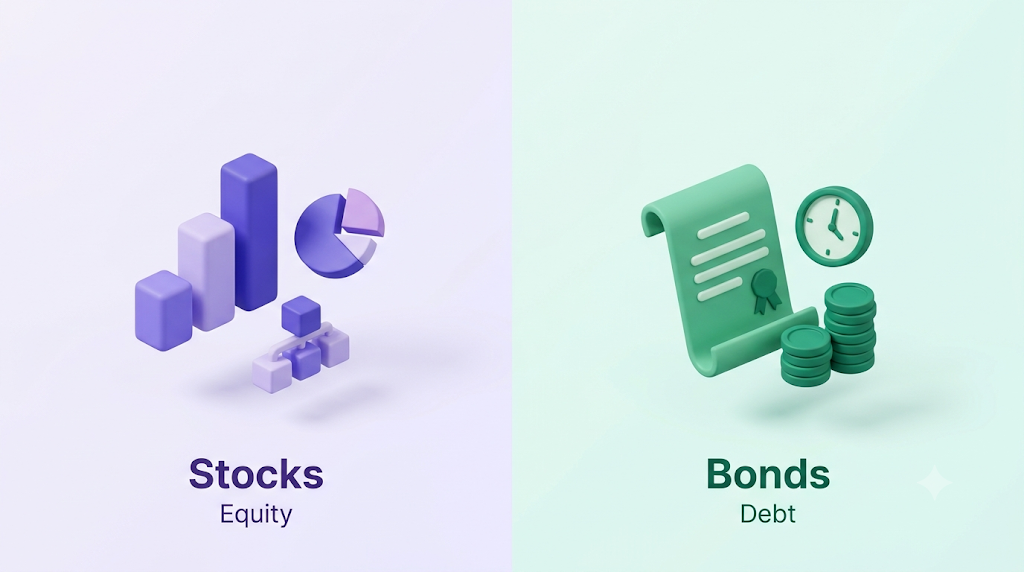
Buy a stock, and you own part of a company. Buy a bond, and you’ve lent it money. That distinction explains repayment order in bankruptcy, why bond rates differ, and why bond prices and rates move oppositely. We’ll build up from the fundamentals, step by step.

Are you investing just because you heard “earnings are great”? Learn EPS, PER, PBR, ROE, and the three financial statements by working through a real example yourself. Asking why behind every number is where good judgment begins.